
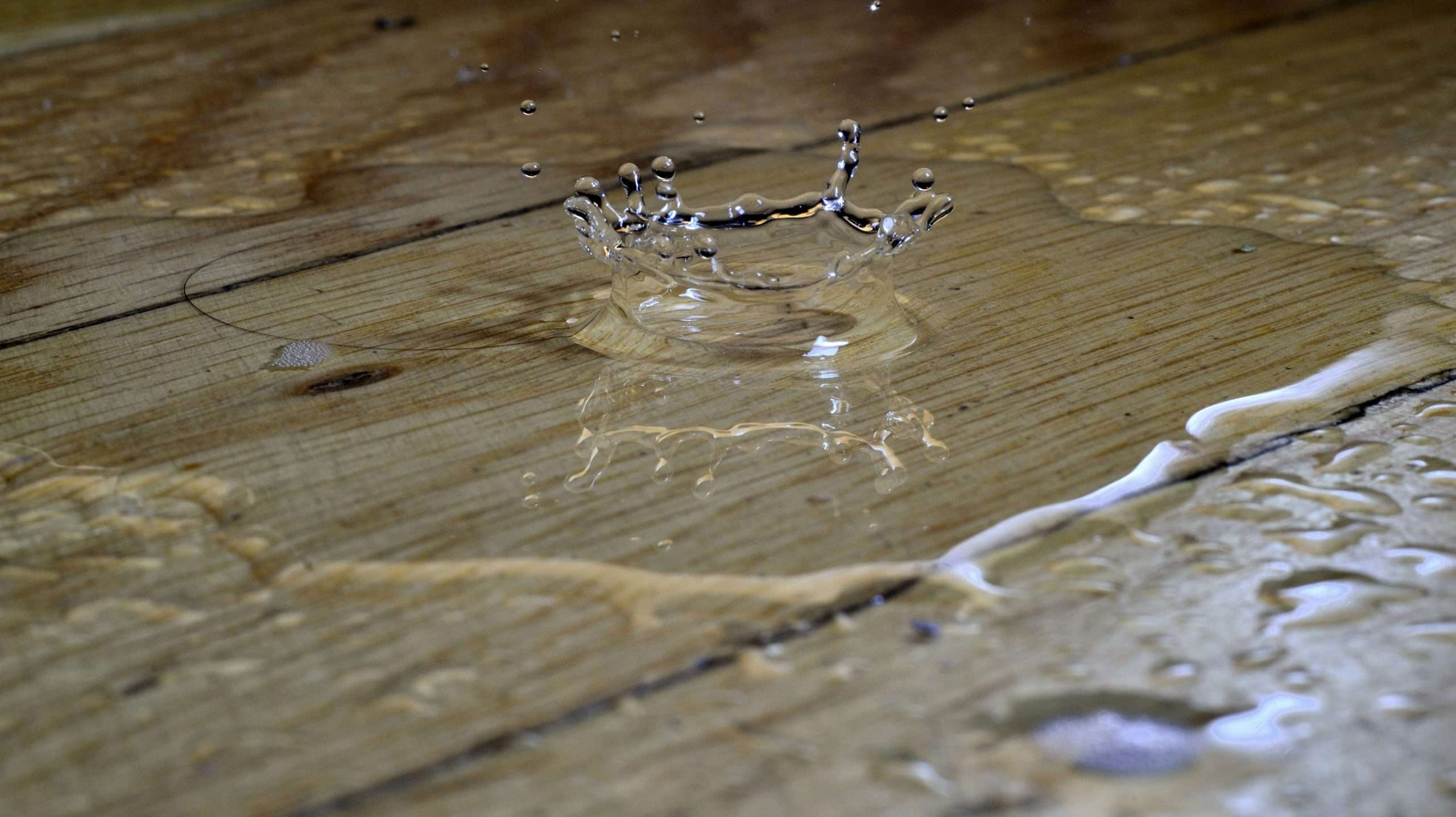
A water leak is rarely “just a leak”. It is one of the fastest ways to turn an ordinary week into emergency call-outs, disrupted occupants, damaged finishes and months of reinstatement work. The irony is that the water itself is usually the smallest line item on the balance sheet.
The real expense begins once it escapes into the fabric of a building.
Across the insurance link ecosystem, attention is shifting towards prevention rather than post-incident response. Firms such as Quensus argue that the core problem is not that pipes fail, but that leaks are usually discovered too late. By the time a ceiling stains or a tenant reports water ingress, the costly phase of the incident is already under way.
Water spreads in ways most people underestimate. It travels through risers, service penetrations and insulation. It pools unseen above ceilings, saturates plasterboard and timber, and creeps beneath floor finishes. In multi-occupancy buildings, it can cross into neighbouring units before anyone realises.
Two factors drive cost escalation: how long the leak runs and how far it spreads. A modest leak left unchecked overnight can cause more damage than a larger rupture that is isolated immediately. Duration and containment, not drama, determine the size of the loss.
The direct costs start immediately
The first invoices often arrive within hours. Out-of-hours plumbers attend site. Systems are isolated. Electrical installations are checked and made safe. Before repairs even begin, the building has shifted into reactive mode.
Locating the source frequently requires opening ceilings, risers, ductwork or flooring. Access is destructive by necessity, and making good can become a project in its own right. Drying is rarely a matter of switching on a heater. Specialist dehumidifiers, air movers, moisture mapping and monitoring visits can extend for weeks depending on materials and how quickly the leak was contained.
Reinstatement is where budgets begin to stretch. Plastering, ceilings and decoration are only the start. Flooring replacement, subfloor repair, kitchens, joinery and tiling add up quickly. In premium residential or commercial environments, reinstatement can easily exceed the cost of the original failure.
Mechanical and electrical systems introduce further exposure. Water does not politely avoid lighting, controls or distribution boards. Even where equipment appears operational, compliance testing and formal sign-off are often required before areas can reopen.
The hidden costs that compound the damage
The most persistent expenses are often the least visible. Tenant disruption increases complaint volumes and escalations. Water shut-offs and closed amenities generate compensation requests and, in some cases, rent disputes. For commercial properties, partial closures can reduce revenue and divert staff into incident management.
Mould risk creates a second wave of cost where moisture remains concealed. Additional surveys, material replacement and extended downtime can follow, particularly in schools, healthcare settings and care environments where indoor air quality carries heightened scrutiny.
Insurance implications accumulate over time. Even when claims are covered, repeat escape-of-water incidents can lead to higher excesses, premium increases and tighter renewal terms. What appears to be a single event becomes a longer-term cost profile issue.
Management time is another overlooked expense. Facilities teams, managing agents and directors invest hours coordinating contractors, communicating with stakeholders, documenting events and overseeing follow-up works. Leaks do not only damage buildings; they consume operational focus.
The financial signals are clear. A single leaking toilet can waste up to £5,000 per year in water and sewerage charges. Continuous valve failures may exceed £8k–£12k annually depending on tariffs and flow rates. Hot water leaks multiply losses because heating energy often exceeds the value of the water itself. Some evidence suggests as much as 25% of commercial water supply may be lost through undetected leaks, with figures varying by region and duration.
Certain properties carry greater exposure: multi-occupancy residential blocks with complex risers, older buildings with degraded pipework, boosted systems operating at higher pressures, plant-heavy sites with extensive valves and filtration, and vacant areas where leaks can run unnoticed. High-value finishes in hotels or premium offices increase the reinstatement burden when incidents occur.
The real issue is late discovery
In many cases, leaks are identified only after symptoms emerge: ceiling stains, abnormal bills, tenant complaints or triggered alarms. At that point, the work is investigative rather than preventative. The organisation is already operating in the expensive phase of the event.
Prevention does not eliminate every failure. Pipes, valves and fittings will fail in any building. The objective is to prevent those failures from becoming high-severity incidents.
Reducing duration means identifying abnormal consumption early and ensuring alerts reach the right people quickly. Limiting spread depends on zoned visibility and effective isolation so that a single fault does not escalate into a multi-floor problem. Analysing incident data helps reduce repeat events by highlighting risk zones and maintenance priorities.
Quensus maintains that earlier awareness and faster containment change the economics of water damage. When duration shortens and spread is limited, the most expensive elements—reinstatement, downtime, disruption and long-term insurance impact—shrink accordingly.
When property owners ask how much a leak costs, the only honest answer is that it depends on how long it runs, where it spreads and what it touches. Water damage is expensive because it is rarely contained and because it interrupts normal operations while buildings are made safe and restored.
For portfolios of any scale, the strategic question is not whether leaks will occur. It is whether they will be detected early enough to prevent them becoming something far more costly.
Read the full blog from Quensus here.
Copyright © 2026 FinTech Global





